
Classroom Seating Arrangements: What Works Best for Different Types of Classes
- Kim Woodford

- Dec 15, 2025
- 2 min read
Choosing the right classroom seating arrangement can make a huge difference in student engagement, behavior, and learning. There’s no one-size-fits-all setup—what works beautifully in one class may fall flat in another. Over the years, I’ve learned that flexibility and intention matter more than perfection.
Below are some of the most effective classroom seating arrangements, when to use them, and what types of learners they support best.
1. Traditional Rows
Best for: Testing, direct instruction, independent work, high-focus lessons


Why it works
Minimizes distractions
Easy classroom management
Clear sightlines to the board
Ideal for assessments and note-taking
Teacher Tip
Rows don’t have to feel rigid. I often use rows during testing weeks or when introducing brand-new content, then switch things up later.
Best for:
✔️ Test prep
✔️ Whole-group instruction
✔️ Classes that need strong structure
2. Desk Groups (Pods or Clusters)
Best for: Collaboration, discussion, project-based learning


Why it works
• Encourages peer discussion
• Great for hands-on activities
• Supports cooperative learning
Watch out for…
• Off-task talking if expectations aren’t clear
• Needs explicit group norms
Teacher Tip
Assign roles (materials manager, recorder, speaker) to keep groups productive.
Best for:
✔️ Science experiments
✔️ STEM activities
✔️ Social studies discussions
⸻
3. U-Shape or Horseshoe Seating
Best for: Class discussions, read-alouds, demonstrations

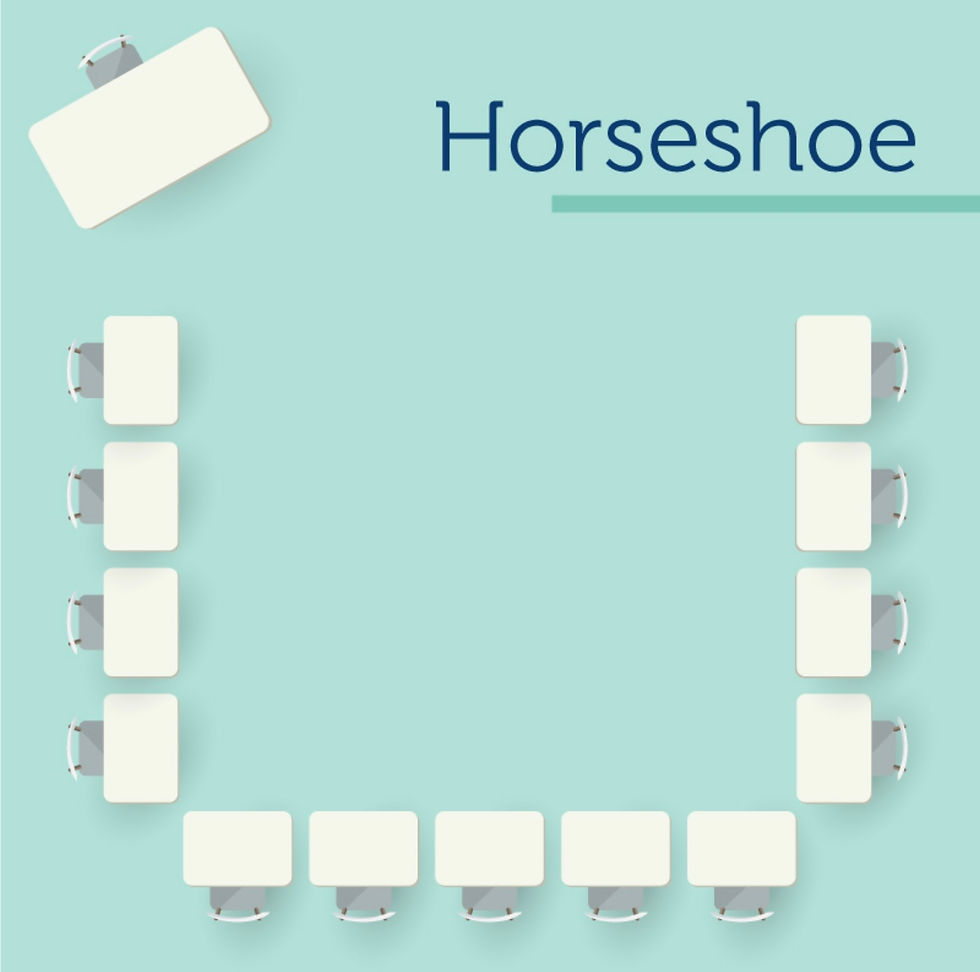
Why it works
• Everyone can see each other
• Great for discussion-based learning
• Strong teacher visibility
Teacher Tip
This works especially well for upper elementary when students are practicing respectful discussion and debate.
Best for:
✔️ Socratic discussions
✔️ Read-alouds
✔️ Whole-group demonstrations
⸻
4. Flexible Seating
Best for: Student choice, engagement, self-regulation


Why it works
• Supports different learning styles
• Builds student ownership
• Can improve focus for some learners
Important reminder
Flexible seating is not free seating. Clear expectations are essential.
Teacher Tip
Start small—add one or two flexible options before going all in.
Best for:
✔️ Classes with strong routines
✔️ Students who need movement
✔️ Choice-based learning blocks
⸻
5. Floor Seating & Meeting Areas
Best for: Mini-lessons, read-alouds, community building


Why it works
• Builds classroom community
• Perfect for short lessons
• Encourages active listening
Teacher Tip
Use spot markers or carpet squares to help with personal space and behavior.
Best for:
✔️ Morning meetings
✔️ Read-alouds
✔️ SEL lessons
⸻
6. Mixed Seating (My Go-To Approach)
Best for: Real classrooms with real kids
Comments